About half of adults over 30 have some form of gum disease. And most of them don’t even know it. That’s because gum disease doesn’t always hurt. You can have it for years without feeling a thing. But that doesn’t mean it’s harmless. In fact, it’s a leading cause of tooth loss in adults. And it’s also linked to some pretty serious health conditions beyond your mouth.
At TotallySmiles, we take gum health seriously. Dr. Steven started treating gum disease back in the 1970s, and Dr. Corey has continued that focus. Together, they’ve seen what happens when gum disease goes untreated, and they’ve also seen how effective early treatment can be.
What Is Gum Disease?
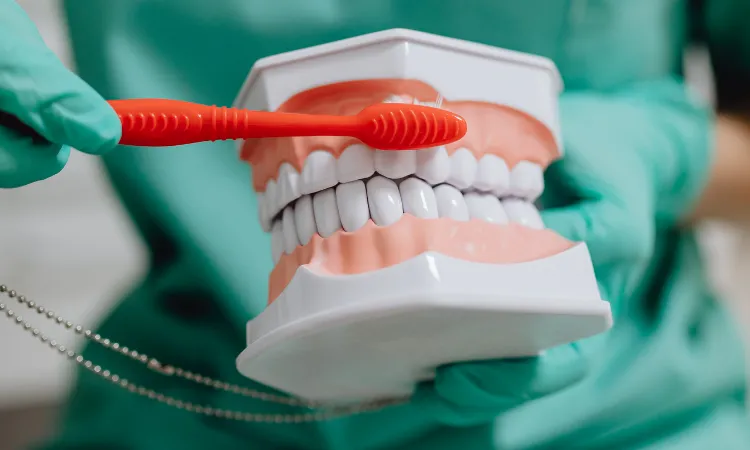
Gum disease starts with plaque, that sticky film of bacteria that builds up on your teeth. If you don’t remove it with regular brushing and flossing, it hardens into tartar. That tartar irritates your gums, and your body’s immune system responds with inflammation.
In its early stage, it’s called gingivitis. Your gums might look red or swollen, and they might bleed when you brush or floss. But they usually don’t hurt. Gingivitis is reversible. With a professional cleaning and better home care, your gums can return to health.
But if you don’t catch it early, it can progress to periodontitis. That’s when the inflammation spreads deeper, damaging the bone that holds your teeth in place. Once that bone is gone, it doesn’t come back.
Signs You Shouldn’t Ignore
Because gum disease is often painless, it’s easy to overlook. But there are some signs to watch for:
- Gums that bleed when you brush or floss (this is not normal)
- Gums that look red, puffy, or tender
- Persistent bad breath or a bad taste in your mouth
- Gums that pull away from your teeth, making them look longer
- Teeth that feel loose or shifting
- Changes in your bite or how your dentures fit
If you notice any of these, don’t wait. The sooner your Gaithersburg dentist catches it, the easier it is to treat.
Why It Matters Beyond Your Mouth
Gum disease doesn’t just affect your teeth. Gum inflammation can affect your whole body. Research has linked gum disease to:
- Heart disease and stroke
- Diabetes (and it can make blood sugar harder to control)
- Respiratory infections
- Pregnancy complications
The connection isn’t fully understood, but the link is real. Caring for your gums isn’t just about keeping your teeth; it’s about protecting your overall health.
What We Can Do
At TotallySmiles, we use a combination of approaches to treat gum disease in Gaithersburg, depending on how advanced it is.
For mild cases (gingivitis), a thorough cleaning and improved brushing and flossing habits are often enough. We’ll show you the right techniques and help you build a routine that works.
For more advanced cases, our Gaithersburg dentists might recommend a deep cleaning (scaling and root planing). This removes tartar from below the gum line and smooths the tooth roots so your gums can reattach.
In some cases, we might recommend additional treatments or refer you to a specialist. But the key is catching it early enough that simple measures work.
Prevention Is the Best Medicine
The best way to deal with gum disease is to prevent it. That means:
- Brushing twice a day for two minutes each time
- Flossing daily (yes, every day)
- Coming in for regular cleanings and checkups
- Not smoking or using tobacco products
We know flossing isn’t anyone’s favorite activity. But it’s the single most effective way to prevent gum disease.
Improve Your Oral Health Today
If it’s been a while since your last cleaning, or if you’ve noticed any of the signs we mentioned, give us a call. Dr. Corey and Dr. Steven will take a look, give you an honest assessment, and help you get back on track.
Our team has cared for families in Gaithersburg, Rockville, Germantown, and across Montgomery County for decades. We’ve helped thousands of patients improve their gum health, and we’d love to help you too. Call us at 301-701-5861 or request an appointment online. We’re here to keep your smile and your health in great shape.